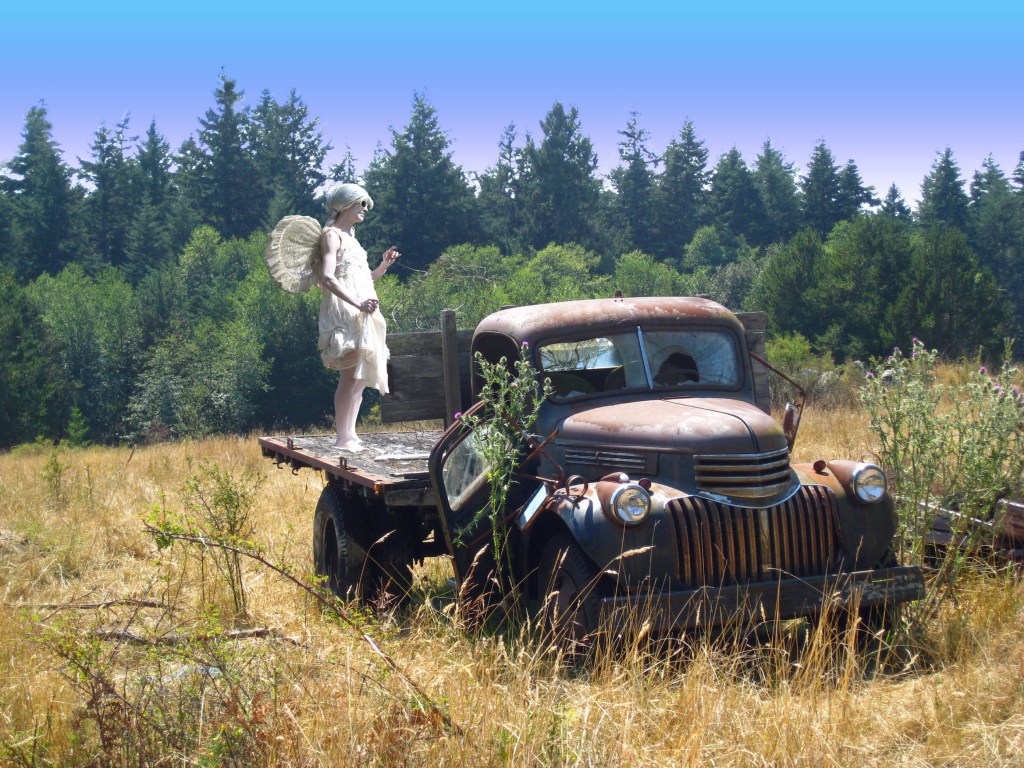
A field of dreams
in the Pacific Northwest
where rust never sleeps.
A field of dreams
in the Pacific Northwest
where rust never sleeps.
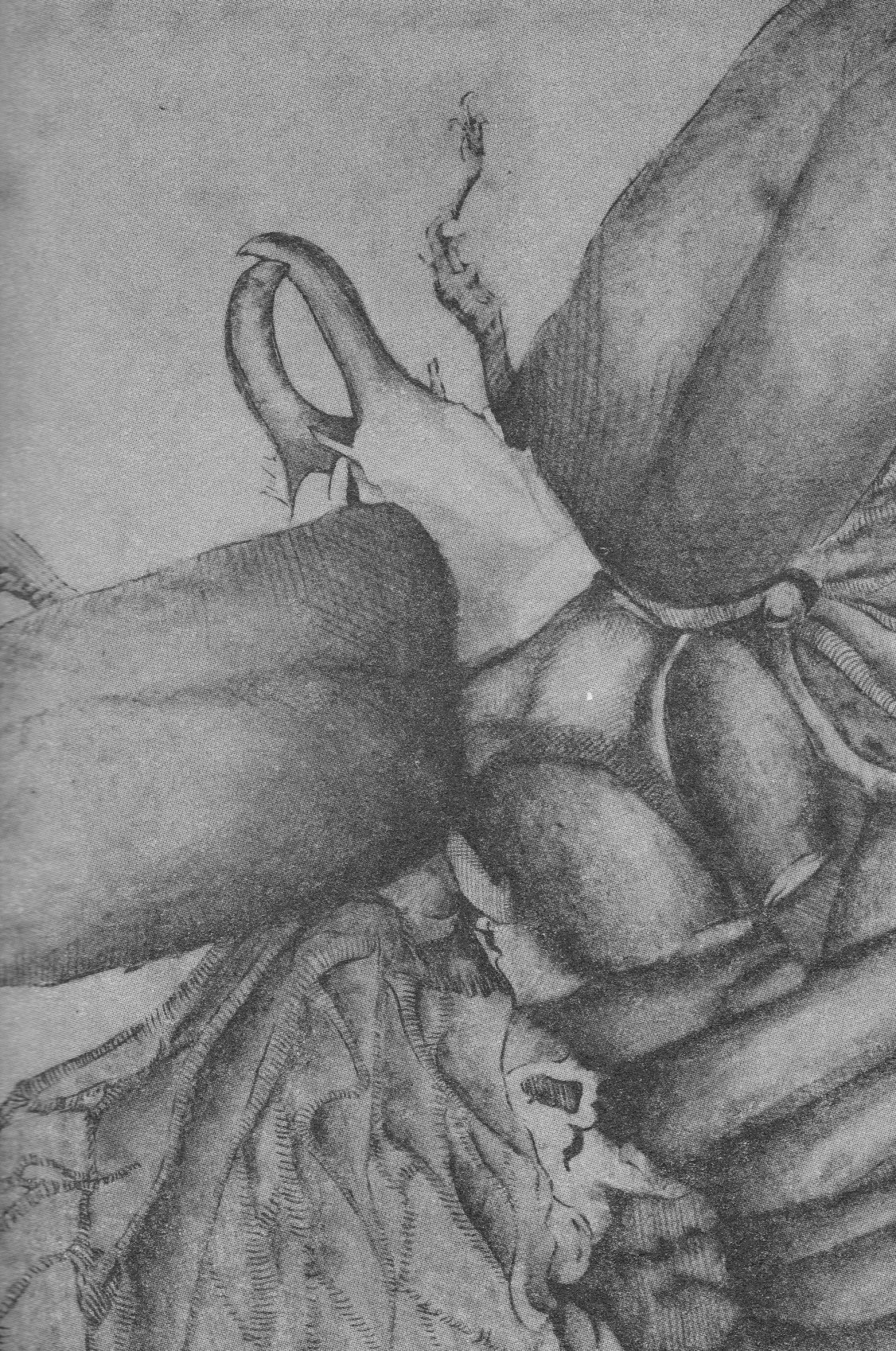
Moths chew woolens while we sleep at night,
elusive as vampires who hide from the light.
We lay sticky traps and cedar balls;
they still show up in our dresser drawers.
If you follow their wings of grey or rust,
they leave a trail of sweater dust.
Cashmere or boucle, tartan or tweed,
they puncture your clothes, lay eggs, and breed.
Perhaps these vampires wear a disguise
and deep inside they are butterflies.
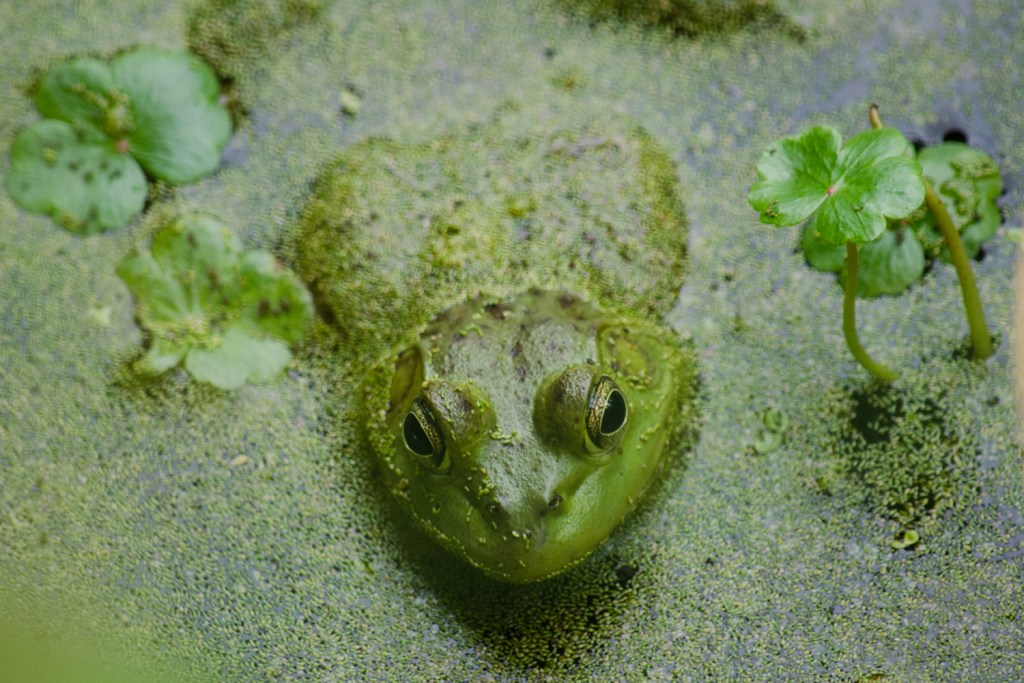
If a frog is suddenly plunged into boiling water, it will jump out.
But if the frog is put in tepid water and brought to a gradual boil, it may not perceive the danger and will be cooked to death.
Are we on planet Earth the proverbial frog on low boil? Has Wi-Fi and the internet of things shaped our planet to the point of no return?
Where would we be today without the internet of things? Wi-Fi has connected our many devices and allowed us to share information (even without human interaction). But how is this shaping our lives?
We have made fantastic advances. But have we learned how to master those advances? (Crowd Strike has surely proven we have not).
I rely on my smart phone to connect with family and friends. However, I have never been a fan of texting. (Too tight a space resulting in typos and miscommunication).
Connection requires reflection. Reflection requires time. With text messages I can avoid wordiness by limiting text and perhaps including an emoticon, but it does not satisfy. Communicating face-to-face while on a walk in the woods with a friend does.
When Zoom came along, I zoomed with it. Though Zoom was launched in 2013, its exponential growth happened during the pandemic of 2020.
Zoom proved to be a convenient tool for virtual connection. But it bothered me that in book club and at other social gatherings, we suddenly became Hollywood Squares. I was and never will be a good actress. I am not meant to be on screens.
As a Baby Boomer I am grateful to have known a simpler time before the internet of things.
As a Baby Zoomer, I am not completely opting out of using digital tools.
I am legion with others on low boil during the age of the internet of things.
Do we even have the choice to jump out?

I met Cheech at Lincoln Park in West Seattle on a cold autumn day in 2022 and our friendship continued into 2023.
I kept a zip-lock baggie of bonito flakes, which he liked to lick from my hands, in my car. Other people in the community brought him cans of sardines and paused to pet him. Someone even transformed a doghouse into his sleeping quarters and set it in the brush.
Today when I visit Cheech’s hang-out, I do not find him. Only the doghouse.
I met his owner once. She said Cheech was born to be wild. But she made sure he was micro-chipped. I noticed that Cheech had no collar and tags. Was the micro-chip enough to locate him?
Did Cheech die in the wild? Was he at the mercy of racoons, bald eagles, or coyotes? And what about Cheech’s owner? Had she abandoned him? Or maybe Cheech abandoned her? How was the ju-ju in the human’s house?
Where is our community cat?
I miss Cheech’s warmth and his purrs when he lapped up my bonito flakes.

The deserted house at the edge of the shore
whispers of lives lived there before.
The bones of the house creak in the wind
empty of families that Time has thinned.
Swaybacked from wind, salted by sea,
the windows are sockets, the clapboards pitch east.
A parade of generations left marks on the house.
To ask who they were, query the mouse.
My feet find a path that winds to a dock
no colorful kayaks, no boats near rocks.
The smell of the Sound meets my nose.
Time stands still.
I am not alone.
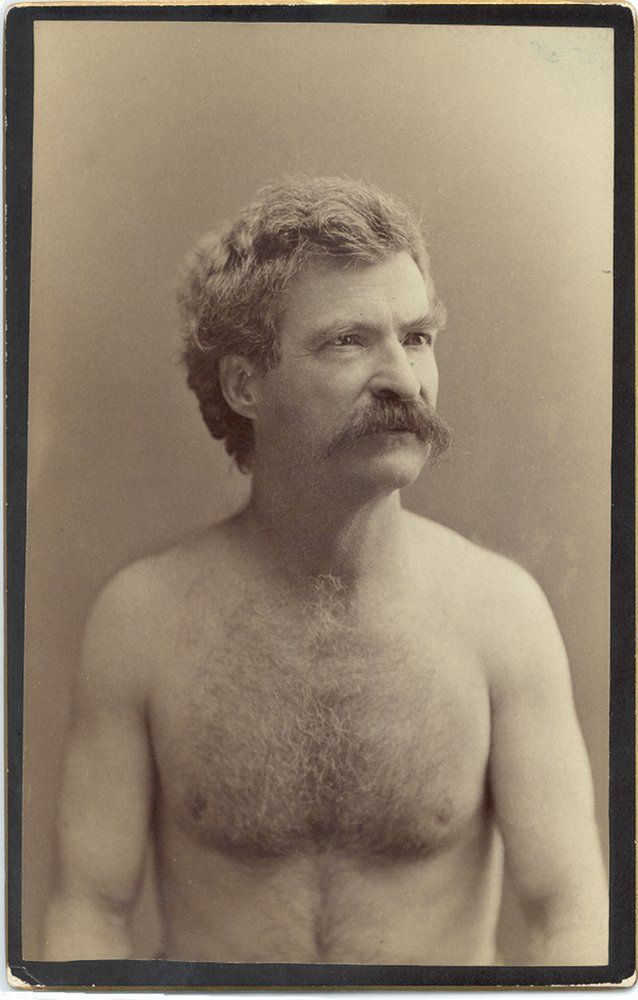
On the eve of a Halley’s comet —
in the year 1835,
Mark Twain was born in Missouri,
and world truths were given life.
How fitting that the stars aligned
with fanfare for Mark Twain.
His wit and wisdom are universal,
if people tune their brains.
When Twain crossed over —
in the year 1910,
the fanfare did not stop:
as Twain lay on his death bed,
Halley’s comet flared again.

Pincushions strapped on our young wrists.
Kettlecloth fabric, irons that hissed,
Butterick patterns, and dressmakers chalk.
“Cut with the grain,” Miss Kane would squawk.
A deadline to finish my culottes loomed.
The project came home with me; I was doomed.
I would have preferred to write a poem
than take my sewing project home.
Our machine had a bobbin that constantly jammed.
It was ancient and faulty — was my project damned?
I finished the culottes — they did not fit.
No more sewing class; I resoundingly quit.

Downy flakes brush our cheeks
as we in winter’s beauty ski.
Such stuff as dreams are made of –
our little life rounded with sleep.

Thank You, November.
A walk in Arboretum –
a feast for the eyes.

The 1950’s, before burning raked leaves was banned.
A poem ~
Time slips under leaf piles, foliage crackles.
You roast marshmallows in the raked musk of October decay.
Time slips under frozen lakes and icy ponds.
You cut figure eight’s, sure-footed in white skates.
Time slips under daffodils, birdsong trumpets.
You study a robin feasting on a worm.
Time slips under fish bellies, tangles seaweed.
You loll on a rubber raft in the green waters of a golden day.
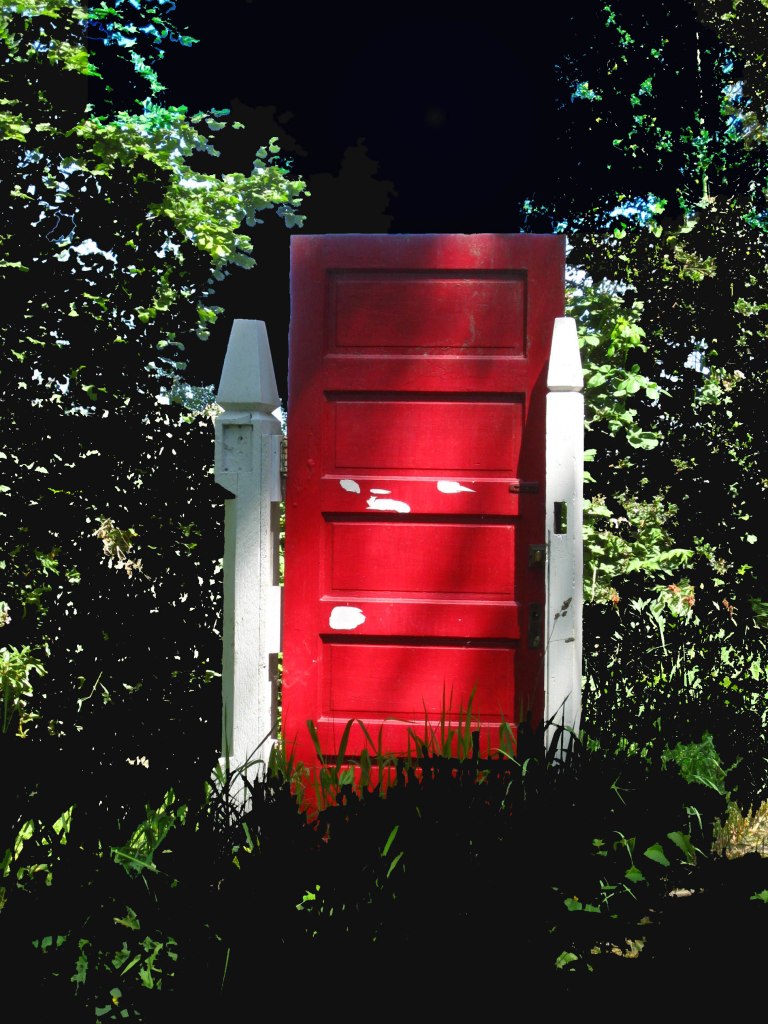
Within and without —
cross the threshold for new dreams
in the pulsing heart.
I came upon this lone door in a valley outside the town of LaConner, WA during a 2015 bike ride before the pandemic.
It was a treat to stop and ponder a displaced door in a rolling valley near an old cemetery with leaning tombstones.
Surreal.
But not nearly as surreal as 2020. We collectively crossed the threshold into a changed world.
What would be our attitudes? To get riled up by world chaos? Or to find moments throughout each day to be in the present moment? Easier said than done!
I lie on the grass to contemplate the sun filtering through our mountain ash tree. Sun sparkles through its pointed leaflets.
At night, I listen to the wind rustle its branches. Music! Our mountain ash uses two of my five senses: sight and sound. In fall and winter, I am surprised to learn that robins, blue jays, and black-capped chickadees become drunk on its fermented berries.
Must keep eyes open to witness the little winos.
And You? What activities or non-activities bring you joy?
May your one pulsing heart find you safe and happy!
I met Blue during a morning walk near a friend’s home on the Oregon Coast. I followed his antics for several days.

Not sure he appreciated the paparazzi following him.
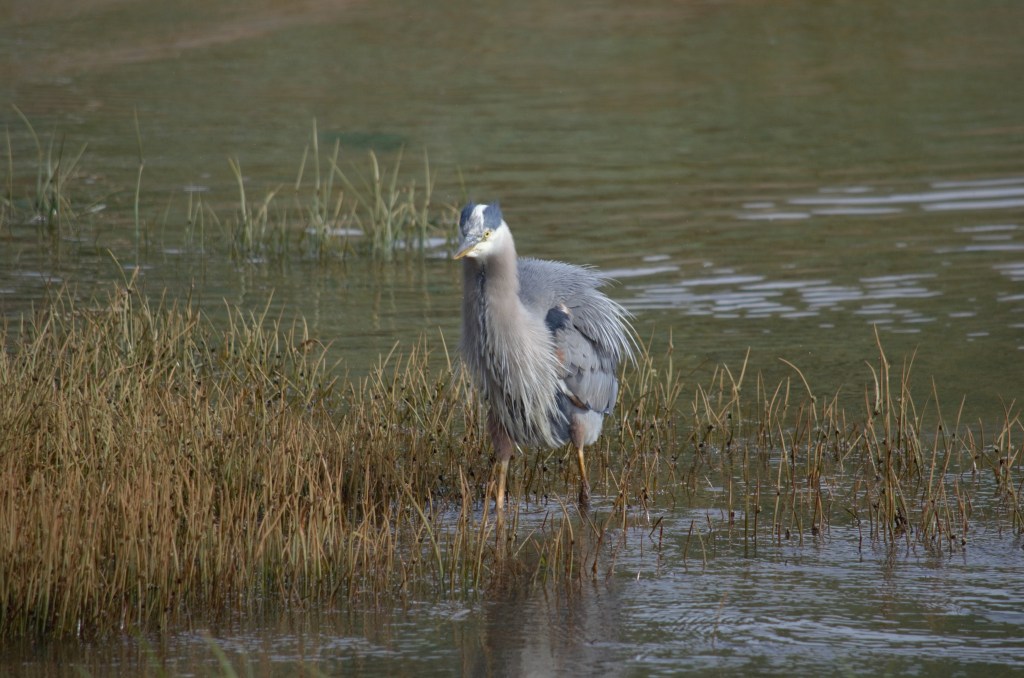

No humans allowed.
A heron dance is sacred.
Please leave my marsh now.
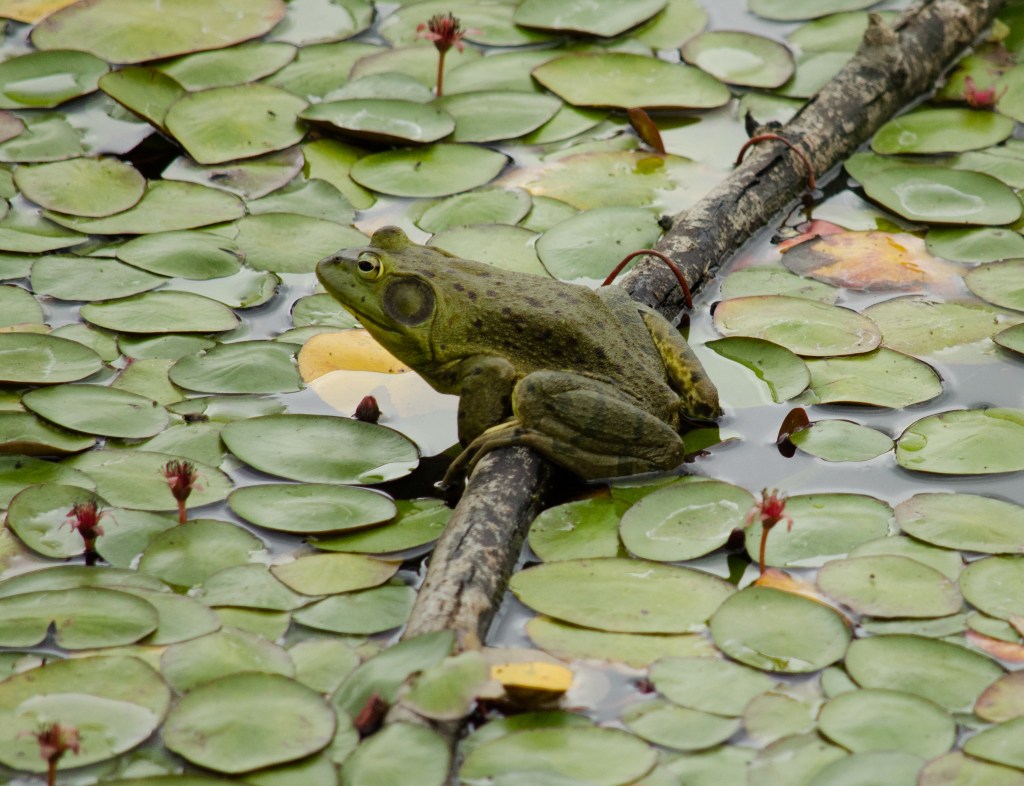
Ponderous
Frog prince camouflage
Riveting, ponderous gaze
Where is his princess?

Washington State is the first in the country to legalize human composting.
It started pre-Covid, with a non-profit organization called the Urban Death Project. The name was changed to Recompose, a public benefit corporation.
Hmmm…Recompose. I like the sound of that. Do I get a chance to be more composed in the next life?
The Recompose business is an alternative to the existing options of burial and cremation. The process takes about 30 days as human bodies are converted into soil through “natural organic reduction.”
Essentially, human composting.
Wait…
Human composting? Gives me the shivers.
Do I want to be turned over to loved ones in a dirt bag? Should I worry that I will come back as a beefsteak tomato or a radish?
What happens when we pass on?
Do we all just “drop our bodies” — our human shells — and leave our human spirits behind on Mother Earth?
A great mystery.
I first heard about dropping our bodies from the Ram Dass Here And Now podcast.
Ram Dass dropped his body shortly before the covid pandemic.
Listening to Ram Dass, I shiver less and laugh more about the whole death conundrum.
Ram Dass, Jack Kornfield, and Thich Nhat Hanh’s Zen words reassure: no one is alone, no one is separate from Mother Earth.
Although it is not easy to drop our bodies, everyone will.
There is poetry in old, gated cemeteries. Historic Graceland Cemetery in Chicago with its elaborate monuments and headstones has always fascinated me.
But how are we being good stewards of land for future generations?
Recently I attended a Catholic church service to hear the priest say he felt sad that parishioners were choosing cremation over burial.
Really?
I cannot imagine this priest would go for composting.
But what’s that to me? We all have free will. We all must turn inward to our own heart, mind, and body for the answer.
It is not easy.
And if we are worm food for birds?
Make mine a robin.
Hope Springs Eternal.

Rainier saucer cloud.
Alien spaceship landing?
Secrets of the sky.
A perfect saucer cloud above Seattle’s Mt. Rainier, taken on New Year’s Day, 2018 near Constellation Park.
Five years and one plague later, what’s in the stars for 2023?
Elon Musk and Jeff Bezos are now independently directing space programs that were formed by our American Government in 1958 when NASA was created.
Though planet earth has many, many problems, I prefer terra firma.
May the secrets of the sky remain a mystery.

